The Ultimate Finance Duo. How Sixthfin’s Closing Empowers Both the Controller and the CFO.
CFO & Controller Alignment: The Key to a Reliable and Efficient Financial Close
A strong finance department relies on a critical partnership: the relationship between the Controller and the CFO. The Controller focuses on the past and present in terms of the Closing process. They ensure accuracy, compliance, and flawless operations, while the CFO looks to the future, using those numbers to drive strategy, forecasting, and growth.
They operate differently, but they are entirely interdependent. The CFO cannot navigate the future if the Controller’s historical data is flawed or late. That’s where the month-end close becomes the bridge between operational reality and strategic vision. This is exactly why we built Sixthfin’s Closing.
What key responsibilities does Closing cover?
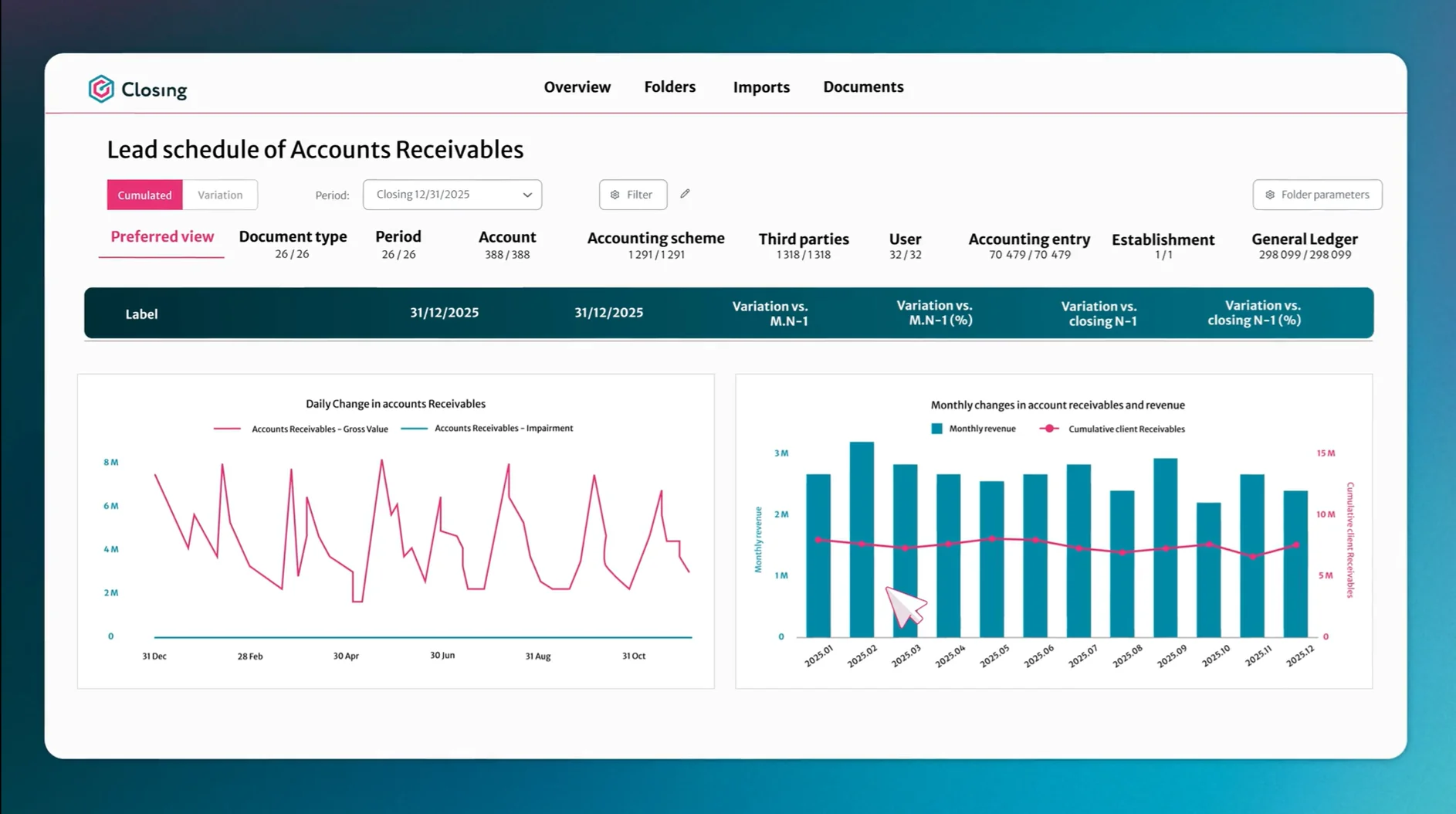
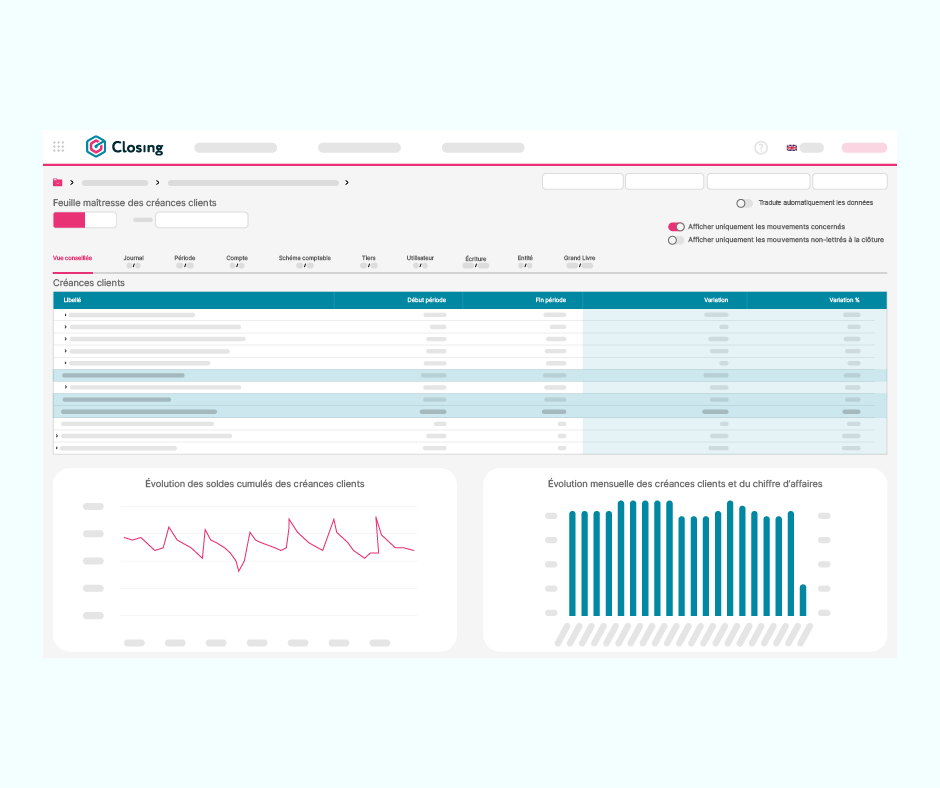
Closing supports the full scope of operational financial management: accounting review and analysis, period-end controls, balance sheet reconciliation, compliance documentation, and multi-entity reporting. It brings these together in one place, replacing the fragmented mix of spreadsheets, shared drives, and manual chasing that slows most accounting teams down.
How does Closing create operational efficiency?
It eliminates manual interventions by automating the controls, analyses, and reconciliations that consume the most time at period-end. The accounting team spends less time preparing because Closing provides pre-populated reconciliation reports, real-time alerts, and AI-powered anomaly detection. The result is a simpler process, shorter cycles, renewed agility, and absolute peace of mind.
Why is Closing the ultimate tool for the Financial Controller?
For the Controller, Closing delivers absolute confidence in the numbers. It centralises and analyses data from all entities, regardless of their chart of accounts, ERP systems, or currencies. This gives the Controller a consistent, reliable view of what every subsidiary is doing.
In addition, automated controls flag anomalies and potential errors quickly. The Controller can be absolutely certain that what’s being reported is accurate before it goes to the CFO or external stakeholders.
In short for the Controller: Closing provides certainty, control, and calm. It ensures the foundation is rock-solid and the month-end workflow is a predictable, stress-free engine.
What does the CFO gain from a Controller using Closing?
The CFO may not live in the platform day-to-day, but they feel its impact instantly. When the Controller’s team runs on Closing, the CFO gains three critical advantages:
Trust and reputation protection. Trustworthy data enables reliable decision-making and builds credibility with investors and the board.
A foundation for better strategic work. When the team isn’t bogged down in manual reconciliation, the CFO gets timely figures to work from.
Audit readiness as a by-product. Well-organised documentation is always available, reducing the risk of audit gaps.
In short for the CFO: Closing delivers the operational reliability needed to focus purely on strategic leadership and growth.
For Sixthfin, whoever owns the close, Closing is their platform. Whether you’re the CFO, the Controller or on the finance team, Closing will provide the operational reliability required to run finance at enterprise scale; to go from manual control to actionable impact.
About the author:
Olivier Cornet, UK Country Manager
Olivier Cornet joined Sixthfin in 2024 as UK Country Manager, bringing over 20 years of B2B software expertise. While he possesses a strong background in regulatory standards, Olivier is passionate about the bigger picture: helping finance teams work smarter. He guides companies in adopting solutions that not only ensure compliance but significantly improve the efficiency of their daily financial operations.
Published on 25.06.2026