Achieving Analytical Consistency, Completeness and Quality in Group Closings
Why Analytical Consistency Is Critical to Reliable Group Closings
The role of the CFO is increasingly strategic. Their focus is on financial planning and analysis (FP&A) to support strategic decision-making, business growth opportunities and representing the company to external interests, like investors.
Successful financial stewardship relies on a unified analytical model. In companies where there is both a CFO and an FD, daily stewardship is often the responsibility of the FInance Director. They are often managing different ERPs, varying local practices, and uneven accounting maturity. As a result, the CFO receives inconsistent analytical outputs, making it difficult to understand things whether a variation is normal, risky, or unexplained, whether all the required controls have been applied and if documentation is complete and audit-ready.
The need for an analytical model surfaces at the audit stage too. Auditors frequently note inconsistencies across subsidiaries, even when group instructions are identical. The lack of standardisation is no longer sustainable for CFOs aiming to improve financial governance and decision-making.
The problem often occurs in an Excel-driven closing process. This local flexibility creates ‘Shadow Accounting’, a form of financial technical debt where the Group loses control over the logic used by its subsidiaries. Every month, the finance team spends extra time servicing this debt (i.e. fixing broken formulas). This creates risk exposure for the group and prevents CFOs from relying on analyses to steer performance.
What Do CFOs and FDs Need? A Standardised, Structured Analytical Model
How do organisations get from disparate Excel reviews to a modern analytical process? They need a process which will give the organisation the foundation for a group-wide analytical discipline. For best-in-class financial organisations, this means implementing one methodological framework across subsidiaries. This should combine:
- A unified balance sheet and P&L structure. So, without sacrificing granular visibility, subsidiaries are aligned with a common analytical backbone, regardless of local ERP or chart of accounts.
- Standardised work programmes. This establishes controls by cycle (receivables, payables, inventory, cash, accruals, revenue) with expected procedures, explanations, and documentation.
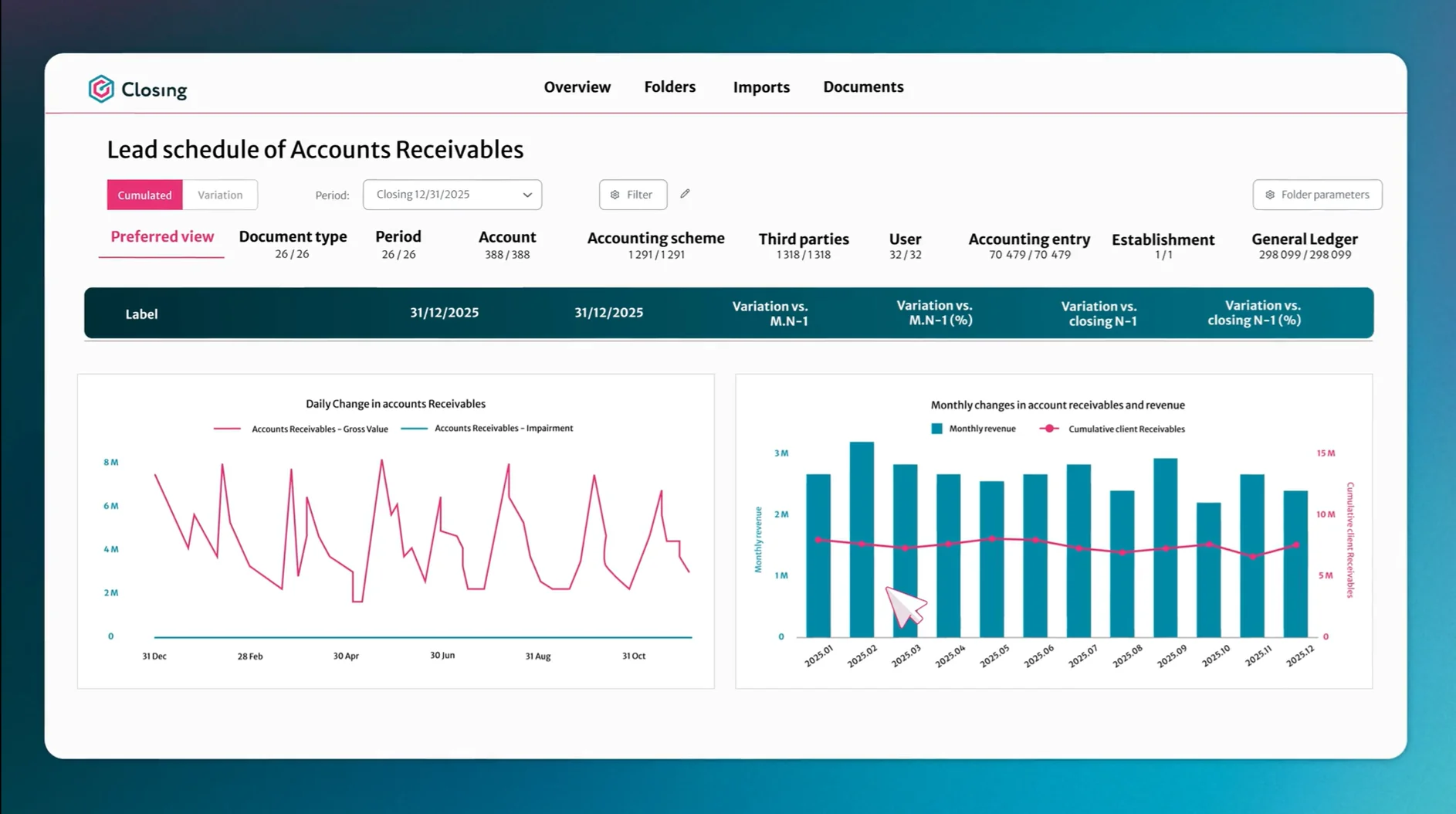
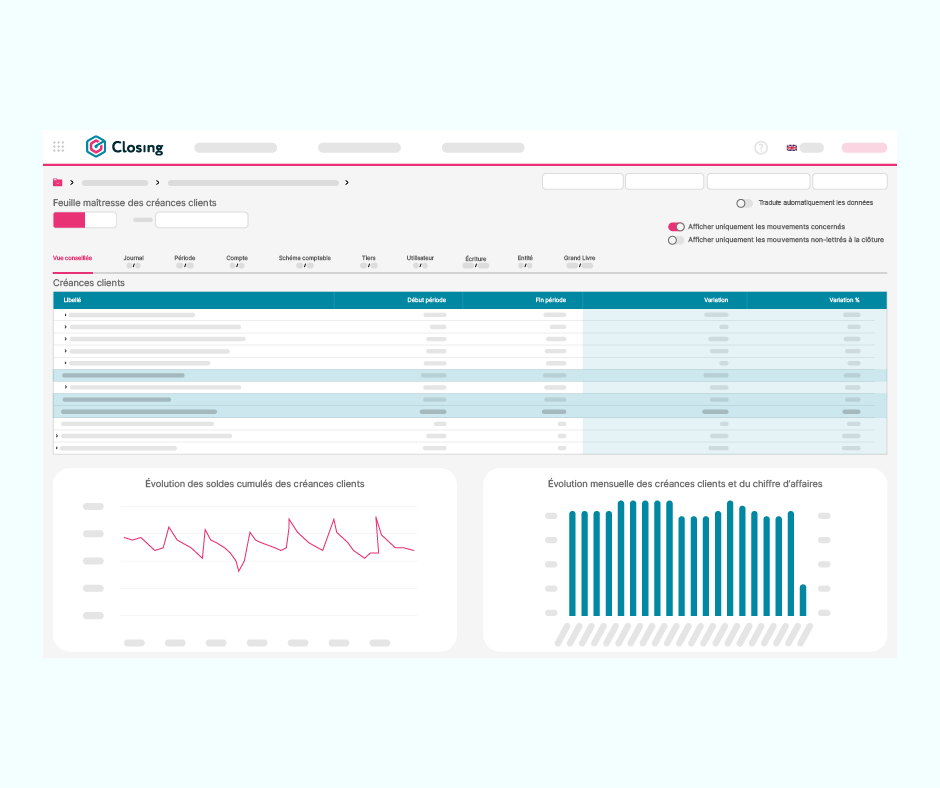
- Master sheets for key accounts. These provide consistent review logic, expected comments, documentation guidelines, and automatic reconciliations.
- A closed-loop documentation model. Here, evidence, comments, and validations are directly linked to controls, accounts, and entries.
Ensuring Completeness: The Closing Workflow and Governance Layer
In an effective system, consistency is supported by completeness. The CFO can make confident, strategic decisions because they know the reporting is complete and consistent across the organisation. This in turn enables effective governance through a system where data is proven and monitored. To ensure every analysis is performed and validated, modern closing governance includes:
- Task allocation (investigator / validator). So there is clear accountability for each cycle and each subsidiary. This applies the four eyes principle, ensuring two authorised individuals oversee activity.
- Customisable closing calendars. These are built to fit the organisation’s period calendar and then communicated centrally.
- Progress tracking by country, entity, and cycle. Supported by dashboards that compare subsidiaries and highlight delays.
- Timestamping and audit trail. This ensures each review step is timestamped and traceable. Giving the CFO and FD confidence in the data.
- Locked periods with read-only access. This guarantees integrity of the reviewed figures for auditors and internal controllers.
Documentation Centralisation: Eliminating Fragmentation and Audit Pain Points
In many companies, auditors report that supporting documents are scattered. This increases risk as information is across servers, Teams, SharePoint, and personal drives. A centralised documentation model can help to eliminate these difficulties by storing evidence at the appropriate granularity, growing all period instructions and work programmes, and maintaining the history across periods. This provides CFOs, FDs and auditors with a clear, structured view of the company’s position.
Strategic Value for the Modern Finance Leader
For CFOs, the value lies in intelligent summaries of analytical results. Here the relationship between the CFO and FD is key and analytical consistency is a priority to give everyone confidence in the data and the subsequent and decision-making. With a structured, unified analytical model, CFOs gain a coherent view of group financial performance, comparable analyses across all subsidiaries, traceable and audit-ready documentation, faster closings, stronger governance and reduced financial risk.
Whether leading an international group, a fast-growing scale-up, or a multi-subsidiary enterprise, the CFO gains a competitive edge through analytical consistency.. It enables faster decisions, better cash management, and improved trust from executive committees and auditors. It is the basis of reliable financial performance management. And, more importantly, one that enables CFOs to steer their organisation with confidence.
About the author:
Olivier Cornet, UK Country Manager
Olivier Cornet joined Sixthfin in 2024 as UK Country Manager, bringing over 20 years of B2B software expertise. While he possesses a strong background in regulatory standards, Olivier is passionate about the bigger picture: helping finance teams work smarter. He guides companies in adopting solutions that not only ensure compliance but significantly improve the efficiency of their daily financial operations.
Published on 13.04.2026